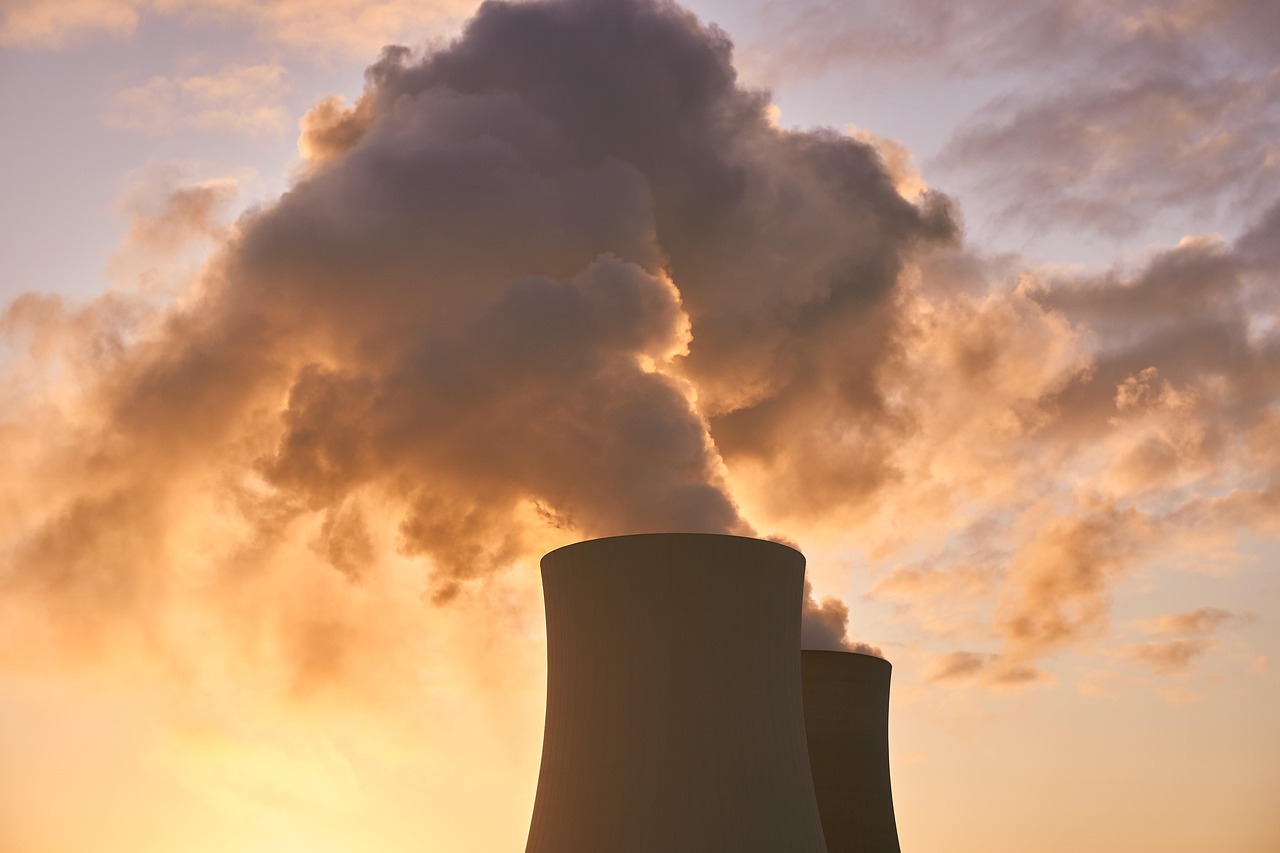
Few threats inspire more dread and more misinformation than radiation. Decades of movies have left people believing a nuclear or radiological emergency is automatically unsurvivable, so they either panic or dismiss it entirely. The reality, according to emergency management science, is that many people in an affected area can significantly improve their odds with a few correct actions, and those actions are simple enough to fit in a single memorable phrase: get inside, stay inside, stay tuned. This is a calm, factual look at what actually protects you.
The three principles: time, distance, shielding
All radiation protection rests on three simple ideas, and everything else follows from them:
- Time: the danger from fallout radiation drops rapidly in the hours and days after an event, so the goal is to shelter through the most intense period, which passes faster than most people realize.
- Distance: the farther you are from the radioactive material, the less your exposure. Putting distance and barriers between you and the source is protective.
- Shielding: dense material, concrete, earth, brick, blocks radiation, so putting mass between you and the fallout dramatically reduces your exposure.
Sheltering in the center of a sturdy building applies all three at once: it puts mass around you, distance from fallout outside, and lets dangerous time pass safely.
Get inside, stay inside, stay tuned
This official guidance is worth committing to memory, because it is exactly what protects you in the crucial early period.
- Get inside the nearest sturdy building, immediately, and move to its center or basement, away from exterior walls and the roof. A brick or concrete building is best; the more mass between you and the outside, the better. Getting inside quickly is the most important single action.
- Stay inside for at least the first 24 hours unless officials direct otherwise, because this is when fallout radiation is most intense and when staying sheltered does the most good. If you were outside during fallout, remove your outer clothing, which can carry radioactive particles, seal it away, and wash exposed skin and hair gently with soap and water.
- Stay tuned to official information via a battery or hand-crank radio, because authorities will tell you when it is safe to come out, whether to evacuate, and where to go. Do not guess; the situation is invisible and only official monitoring can guide your next move.
The truth about potassium iodide
Potassium iodide, often called KI, is widely misunderstood as a cure-all radiation pill. It is not. KI does one narrow thing: it saturates your thyroid with safe iodine so it cannot absorb radioactive iodine, protecting that one gland from one specific type of exposure, mainly relevant near a nuclear reactor incident. It offers no protection to the rest of your body and none against other radioactive materials. It should be taken only when public health officials advise it, in the correct dose, because it carries its own risks if misused. Do not treat KI as general radiation armor or take it on your own judgment. Shielding, distance, and time protect your whole body; KI protects one gland in one narrow scenario, and only on official guidance.
What sheltering requires
A nuclear or radiological emergency is a specific and serious case of sheltering in place, and it draws on your standard preparedness. You need enough stored water and food to remain inside without venturing out for supplies during the critical period, since going outside for essentials defeats the entire purpose. Sealed, stored food and water are safe from fallout, and covered supplies stay clean.
Supplies to stay inside


Affiliate note: buy through these links and ThisTracks may earn a small commission at no extra cost to you. We only list gear that is in stock and that we would carry ourselves.
Knowledge replaces panic
The most dangerous responses to a radiological emergency are the ones driven by fear: fleeing into the open when sheltering would protect you, or freezing because you believe nothing can be done. Both come from the movie version rather than the science. The reality is that correct, simple actions genuinely improve survival, and knowing them in advance replaces panic with purpose. Keep this in your emergency planning as one specific scenario your all-hazards foundation already largely covers.
Radiological emergencies, condensed
- Protection rests on time, distance, and shielding. Mass and staying inside protect you.
- Get inside a sturdy building, stay inside at least 24 hours, stay tuned to officials.
- If exposed to fallout, remove outer clothing and wash gently with soap and water.
- Potassium iodide protects one gland in one narrow case, only on official advice.
- Keep sealed water and food so you never leave shelter during the dangerous window.
A nuclear or radiological emergency is frightening, but it is not the automatic death sentence popular culture suggests. The science is clear and the actions are simple: put mass between yourself and the fallout, stay sheltered through the most dangerous period, and follow official guidance for what comes next. Learn get inside, stay inside, stay tuned, keep your shelter supplies ready, and you replace one of the most dreaded scenarios with a calm, informed plan that genuinely improves your family’s odds.